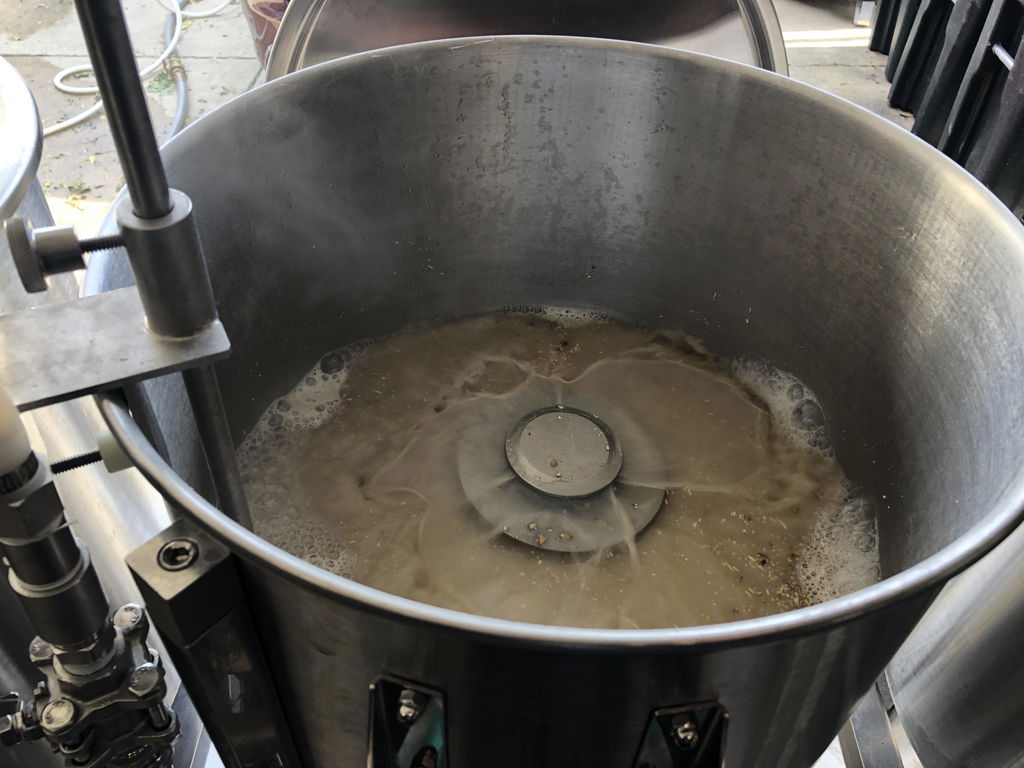
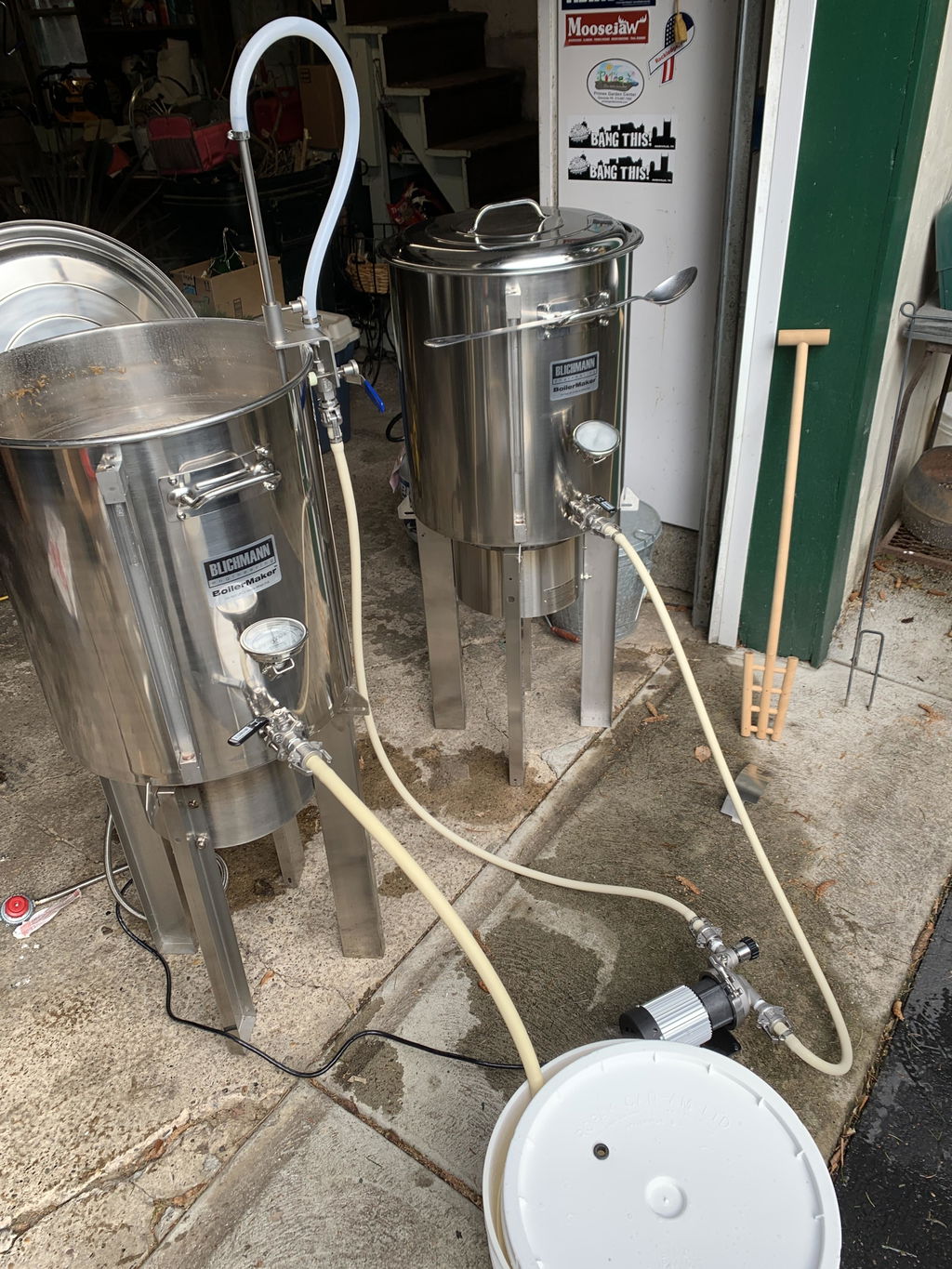
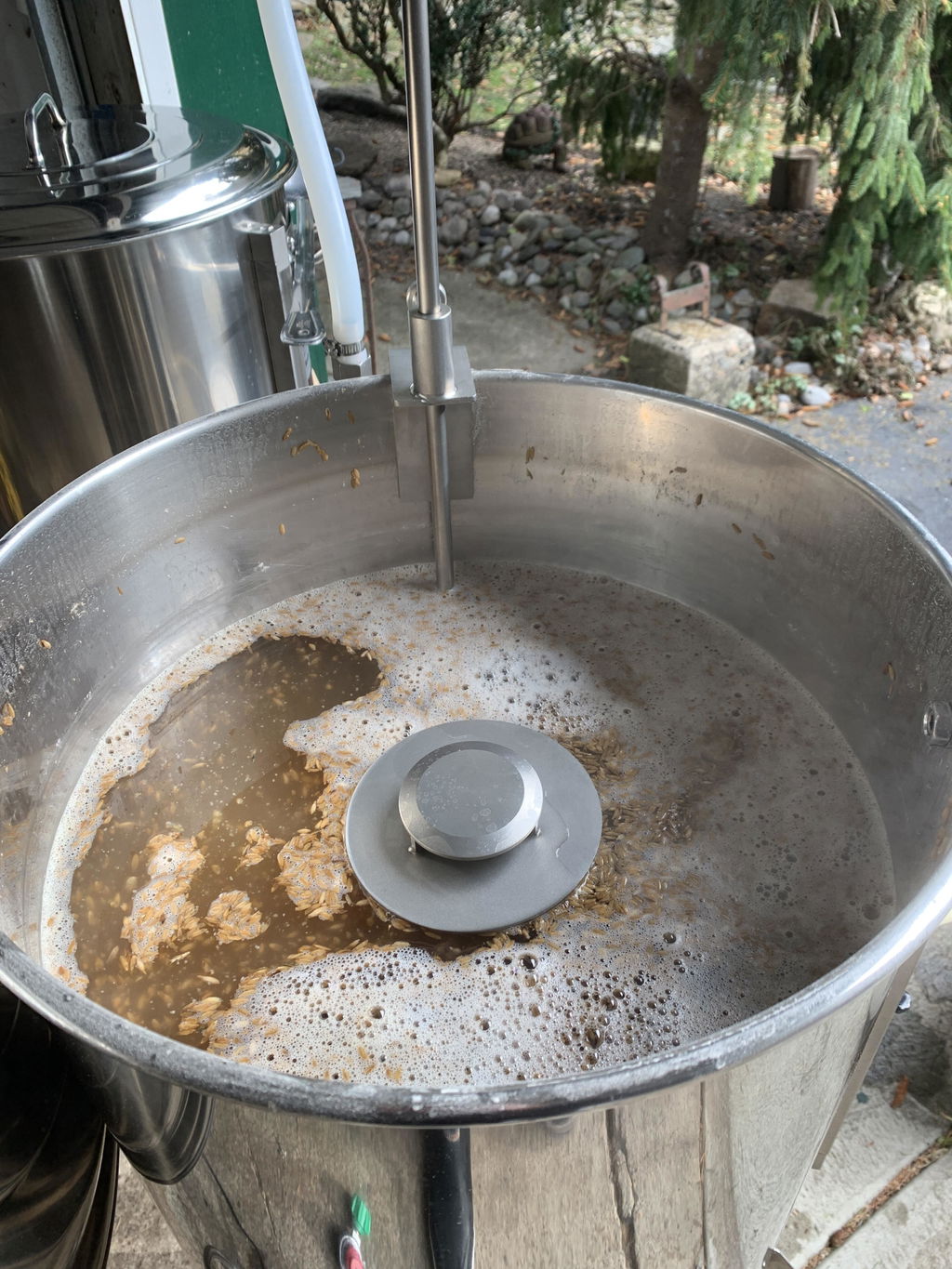
The technique you have to apply to this is the one they give in the description: You should have about 2" of sparge water sitting on top of the grain bed, and position the "shower head" level with or submerged in the layer of clear sparge water. After a few minutes that clear water level forms on top of the grain bed, and the grain bed will hold it there and let it seep through slowly. The sparge arm will keep adding water to maintain that level, and it covers the whole grain bed only because the top of the grain bed is flooded. I have figured this out with lots of trials and by tracking efficiency. The ultimate sparge arm does not do well what most people imagine for fly sparging: sprinkle water over the top of the whole grain bed at the same rate it seeps through. The flow rate is very controllable, but it will not spread water out over the entire top surface of a grain bed (unless you blast it) *I always have a 10 gallon batch with a large grain bed. Maybe with a smaller grain bed it won't hold a layer of sparge water on top as well?--I don't know. I love the sparge arm because of its consistency: the rate is highly adjustable down to a crazy slow trickle, because it won't move at all unless I make it move, because it won't clog, and because it deposits water so softly that you can use this method successfully, without washing large tunnels into the grain bed. Also for cleanup, I rinse the kettle and the sparge arm and then recirculate PBW water through the setup at high flow with the ultimate sparge arm (USA); this way it rinses does the sides of the kettle and helps a little more with clean up. I don't regret the purchase, but if you learn to do this sparging technique effectively, however, you'll realize there are cheaper ways (1/3 the cost or less) to do the same--something I had wondered about and can now say is probably true.


 WARNING
: This product can expose you to chemicals including 1, which is/are known to the State of California to cause cancer, birth defects or other reproductive harm. For more information go to
www.p65warnings.ca.gov.
WARNING
: This product can expose you to chemicals including 1, which is/are known to the State of California to cause cancer, birth defects or other reproductive harm. For more information go to
www.p65warnings.ca.gov.