Detecting your location...
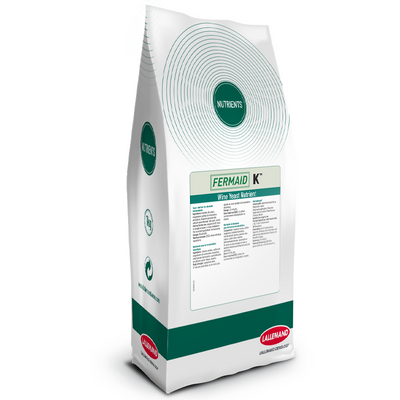
SALE: UP TO 23% OFF LALLEMAND YEAST
Winemaking Category Header
Premium Winemaking Supplies

Craft Award-Winning Wine at Home

Everything you need to press, ferment, and bottle your own perfect vintage. From professional-grade tanks to guaranteed recipe kits, we make home winemaking easy and delicious.

  • Premium Equipment: Top-tier Speidel bladder presses and Enoitalia crushers built to last.
  • 100+ Recipe Kits: Brew high-quality, delicious wine easily at any time of the year.
  • Dozens of Yeasts: Dial in your exact flavor, aroma, and body profiles with precision.
  • Expert Guidance: Access our free guides to master red and white winemaking techniques.
1

Prep & Crush

Select your fresh juice, grapes, or one of our 100+ premium recipe kits to get started.

2

Ferment

Pitch the perfect specialized yeast to build your ideal flavor, aroma, and body profile.

3

Bottle & Enjoy

Follow our expert guides to age your wine to perfection, then pop the cork and share.

Shop by collection
1020 products

  • Wine Kit - VineCo - Signature Series - Amarone Style, Italy (Includes Skins) Wine Kit - VineCo - Signature Series - Amarone Style, Italy (Includes Skins)

    Italian Amarone Style Wine Making Kit - VineCo Signature Series™

    12 reviews

    Italian Amarone Style offers a complex flavor profile and delicious oak character Savor with hearty meals or as an after-dinner treat Flavors of tart cherry, raspberry, chocolate, and spice Full-bodied and dry, 14% ABV Whip up a batch in 30 mins or less! Yields 6 gallons (2 cases) of finished wine in 6-8 weeks Premium kit includes grape skins for an authentic wine making experience Bottle labels included for a professional finish Amarone style red wine hails from Valpolicella in the Veneto region of north-eastern Italy. Traditionally, Amarone is made from only three approved grape varieties—Corvina, Corvinone, and Rondinella. To prepare the grapes, winemakers use a process known as ‘apassimento’, an Italian term for drying the harvested grapes for up to several months to concentrate the sugars and flavor. Amarone is known for its full-body, strong flavor, and high alcohol percentage. Some speculate Amarone’s creation to date back to Ancient Rome, as this powerful red would have slaked the Roman’s thirst for highly alcoholic wine. Our Italian Amarone Style has a deep red fruit quality with notes of tart cherry and raspberry, a hint of chocolate and spice, with a moderate oak character. Standing tall at 14% alcohol by volume, this full-bodied wine is quite dry with a long lingering finish. The Signature Series™ Amarone Style is one of the most satisfying kits to make thanks to the inclusion of grape skins. You’ll mirror the professional vintner process of “punching the cap”, which makes your winemaking adventure even more hands on. VineCo’s jammy skin packs are much more expressive than dried grape skins, imparting more character from the grapes and boosting tannin structure in the finished wine. High quality French oak cubes are used in the making of the Amarone Style kit. One of the reasons oak has always been used to age wine is the slow release of delicious, complex compounds that complement the wines flavor. Oak cubes have more depth of flavor than chips or powder and slowly release compounds like furfural (sweet, caramel like), lignins (vanillin, spice, smoke), and lactones (classic oak flavor). French oak in particular is known to deliver refined, less apparent oakiness than American oak. It's famous for adding mouthfeel and flavors of custard and chocolate while still allowing the fruit flavors of the wine to shine through. The Vineco Signature Amarone Style is best enjoyed over a hearty meal of red steak or venison with good company, or as an after-dinner treat paired with heartfelt conversation with that special someone. Not to be poured on any occasion, but savored as a delicious moment. Amarone Style, Italy Tart cherry, raspberry, hint of chocolate and spice Sweetness: Dry Oak: Medium Body: Full ABV: 14% Kit Volume: 14 L Approximate Yield: 23 L Ready to bottle in 6-8 weeks Grape skins included Bottle labels included    

    $182.99

  • Extra Large Hydrometer Jar - 14.25 in. x 2 in.

    Extra Large Hydrometer Jar - 14.25 in. x 2 in.

    2 reviews

    The largest hydrometer jar we carry perfect for use with our specialty Brix hydrometers.  Especially great for winemaking where the larger diameter is nice and the sample will be returned the ferment anyways.   Approx Dimensions: 14.25" H x 2" ID

    $7.69

  • Corks - Aglica - PLACEHOLDER Corks - Aglica - PLACEHOLDER

    Wine Corks - Aglica

    An agglomerated cork that offers a great seal using compressed pieces of small cork. Fantastic value. Because they do not compress as easy as natural corks, you will need a floor corker, as opposed to a handcorker, to push these into the bottles.

    $6.99 - $219.99

  • Heat Shrink Sleeves - Black W/Gold Stripe - PLACEHOLDER

    Heat Shrink Sleeves - Black W/Gold Stripe

    1 review

    These PVC heat shrink capsules help to make your home made wine look classy and professional. The look is the closest we have seen to commercially used tin capsules, which must be spun on with a $2,000 machine. Conversely, these PVC capsules can be easily used at home. Features horizontal tear tab. To use, slide on to top of wine bottle and dip into hot water for a quick and even shrink. Or for faster processing with a more reliable finish try one of our Heat Shrink tools. 2 1/4" Height x 1 1/4" Diameter.

    $1.79 - $59.99

  • Delvozyme (Lysozyme) - PLACEHOLDER Delvozyme (Lysozyme) - PLACEHOLDER

    Delvozyme® (Lysozyme)

    1 review

    Wine Making Use Delvozyme (Lysozyme, Lysovin) for controlling lactic acid bacteria growth in your wine. Isolated from egg whites, this enzyme will degrade the cell wall of gram positive bacteria, but will not affect yeast or gram negative bacteria such as Acetobacter. Delvozyme can be used for both Red and White Wine Malo Fermentation. Dosage: To Delay Malolactic Fermentation: Red Wine - add to grapes at 100 - 200 ppm, or 0.38 - 0.76 grams per gallon. White Wine - Add to must at 200 - 300 ppm, or 0.76 - 1.14 grams per gallon. To Block Malolactic Fermentation: White Wine - Add to must or wine at 300 - 500 ppm, or 1.14 - 1.90 grams per gallon. Stabilizing wine after MLF is complete: Add to barrel during storage at 250 - 500 ppm, or 0.95 - 1.90 grams per gallon. When blending partial and complete MLF wines: Add immeditatley after blending at 300 - 500 ppm, or 1.14 - 1.90 grams per gallon, to reduce the risk of further malolactic fermentation (MLF). Within several days any lactic should expire. For sluggish or stuck yeast fermentation: Red Wine - Add at 150 - 400 ppm, or 0.57 - 1.52 grams per gallon. White Wine - add at 300 - 500 ppm, or 1.14 - 1.90 grams per gallon. Directions for use: You can make a 10% solution of Delvozyme in water (100 grams per liter of water). However we find the easiest method is to add the desired dry weight of Lysovin in 5x its weight of warm(tepid) water. Mix for one minute, allow this mixture to stand for 45 minutes and add to must, juice or wine while mixing well. Allow 24 - 48 hours for reaction to complete. **Note: 3tsp Delvozyme = 5g Beer Making Delvozyme can be used in beer making as well. Use either in the starter (recommended if you make starters) or when pitching (adding) the yeast to the wort, do not use over 140 F. Recommended dosages is 1 tsp per 5 gallons of wort. According to studies it has no effect on flavor or clarity. Storage: Should be stored at room temperatures in a dry environment, can be stored up to 5 years.

    $34.99 - $1,359.99

  • Aroma Sciences - Oak Barrel Extract - French, Medium Toast - PLACEHOLDER Aroma Sciences - Oak Barrel Extract - French, Medium Toast - PLACEHOLDER

    Aroma Sciences | French Oak Barrel Liquid Extract | Medium Toast | Natural Evaporated Oak Extract

    Impart a perfect replication of barrel aromatics without the lengthy process of barrel aging Consistent, repeatable results every time without the need to blend various barrels of product together Infuse oak aromatics into beer in minutes. Safe for use with low alcohol beers as there's no risk of infection that comes from barrel aging beer below 12% ABV Increase the perceived quality of your wine without drastically increasing cost or production time Eliminate the expensive, compounding loss of the "Angel's Share"—spirits typically lose 5-10% of their volume in barrels due to evaporation French Oak extract is subtle and complex with exotic savory spice and hints of dark chocolate and roasted coffee. Mellow spice notes with a smooth mocha and toffee finish. Aroma Science's internationally-patented Evaporative Extraction™ technology naturally captures complex aromatics from wine and whiskey barrels to create aroma profiles that are perfect copies of the original barrel source. Use to balance and boost oak aroma in beer, wine, spirits, ciders, seltzers, and traditional, reduced proofed, and nonalcoholic ready-to-drink cocktails. Typical recommended dosing in beer & wine is approximately 1.5-6 mL per gallon and anywhere from 6-60 mL per gallon with spirits. See AromaSciences.com for detailed dosing recommendations for Beer, Wine, and Spirits. Ingredients: Ethanol, Water, Oak Made in the USA

    $15.00 - $245.00

  • Corks -bag of 100- Synthetic Supercork 23x38mm

    Wine Corks - Synthetic Supercorks - 23x38 (100ct)

    10 reviews

    A synthetic cork with the ability to last 4 years plus. Supercorks are manufactured in Italy by Enolandia. One of the very first companies to make a synthetic cork, they have a history of quality since the 1980's. Supercorks have been tested to keep their elasticity and sealing integrity for at least four years. This makes them a nice alternative for winemakers who want to eliminate the potential issues of porosity or TCA contamination inherent in cheaper natural corks but also want the ability to age wine more than a few years. This cork measures 23x38mm. Product Specifications: Construction: Manufactured from recyclable thermoplastic high-tech materials Chemical details: Polietilene, Food pigments, Food expanders. Lubrication: Silico-paraffinic solution. No solvents. Preservation: Corks should be kept away from any possible contact with liquids and odors. Keep at temperature of 18-25° C especially in the summer season. Certification: Corks comply with antitoxic certificates from public authorities. Meets european standards and FDA. Follows CEE directive 85/572-89/109-90/128.

    $21.99

  • Chromatography Test Kit -Vertical Chromatography Test Kit -Vertical

    Chromatography Test Kit

    70 reviews

    Due to high demand, this item is currently out of stock. Be the first to receive your items by placing a pre-order today. We will automatically ship this to you when we receive more inventory. Paper Chromatograpy test kit used to tell if your malolactic fermentation has gone to completion. This information is essential knowledge for doing SO2 additions, cold stabilization, acid additions, etc on wines that have been innoculated with an ML strain or allowed to undergo natural malolactic fermentation. You will certainly want to know if ML has completed before bottling. Comes with 25 sheets, as many as 4 samples can be tested per sheet (must be tested simultaneously, sheets cannot be re-used). MoreWine! Guide To Malolactic Chromatograpy

    $99.99

  • 375mL Flint/Clear Bellissima Farro Glass Wine Bottles - Case of 12 - PLACEHODER 375mL Flint/Clear Bellissima Farro Glass Wine Bottles - Case of 12 - PLACEHODER

    Farro Glass | Premium Wine Bottles | Bellissima | Clear | 375mL | Case of 12

    A slim, elegant bottle design ideal for dessert wines and ice wines Bellissima bottles are typically made in smaller volumes to package wines that are consumed in smaller pours Clear or "flint" glass is most often used for white wines that will be consumed shortly after bottling with little to no ageing The clear glass is an excellent choice for rosé wine to show off the alluring color of the beverage Farro Glass offers a full lineup of the most essential and commonly used bottles in winemaking Bellissima wine bottles are most commonly used for dessert wines and ice wines. The slim design lends an elegant appearance when this bottle appears at the end of your meal. They are typically half the volume of standard bottles, as a Bellissima's contents are often pricey and consumed in smaller pours. Volume: 375 mL Style: Bellissima Use: Sweet Red, Dessert Wine Color: Flint / Clear Finish: Cork Bottom: Punted Case QTY: 12 Pallet QTY: 150 cases   Our Farro Glass Wine Bottles offers a full lineup of the most essential and commonly used bottles in winemaking. We scoured the world to find a bottle source that could provide a quality product consistently and at a fair price that we can pass on to our customers. If you've been searching for reasonably priced bottles that are reliably in stock, look no further.  

    $22.99 - $2,809.99

  • CellarScience - Dry Wine Yeast - Fresh - PLACEHOLDER CellarScience - Dry Wine Yeast - Fresh - PLACEHOLDER

    CellarScience® FRESH Dry Wine Yeast | Premium Wine Yeast

    Producer of fresh fruit aromas/flavors Best choice for fruit forward wines Best choice for ciders Best choice for Roses Ability for ferment cooler Strong fermenter FRESH—well the name says it all. The perfect choice for fermenting fruit forward whites, roses, ciders, and meads. Because FRESH is a Bayanus strain it is able to ferment at lower temperatures, a nice option for producing cleaner more focused fruit flavors. Emphasizes stone fruit flavors. We almost named it Beauty and the Beast because once it starts fermenting it doesn't stop. Super easy to ferment with lower nutrient needs and a a very high alochol tolerance up to 16%. Many cider producers like this yeast for its ability to add those fresh and fruity flavors. Although easy to ferment, we still recommend our CellarScience nutrient regimen of Fermstart, FermFed DAP Free, and FermFed to increase fruit and floral flavors, while avoiding H2S production that can mask fruit. Start Time: Fast Alcohol tolerance: 16% Nitrogen demand: low YAN Requirement @ 23 Brix: 225 ppm Production of volatile acidity: Very Low Production of SO2: Low Cap/Foaming: Very low Ease to Ferment with MLF: Average Malic Consumption: High Yeast Type: Bayanus Optimal Fermentation Temp: 50–80°F Proper yeast hydration helps ensure a healthy fermentation. For every gram of yeast, mix .25 g of FermStart yeast nutrient with 25 ml of sterilized tap water between 104–106°F/40–41°C. When water reaches 104°F/40°C, sprinkle yeast into water and stir gently. Allow the slurry to stand undisturbed for 15 minutes and then stir again. For every gram of yeast used add 25 ml of clean must to the yeast slurry and let stand 15–20 minutes. If necessary, use additional must to adjust yeast slurry to within 18°F of must temp before pitching. For a complete nutrient schedule sufficient for most fermentations, add 1.5 g of FermFed DAP Free per gallon of must at the first sign of fermentation and 1 g of FermFed per gallon of must after 1/3 sugar depletion. Download the PDF

    $1.79 - $53.69

  • Heat Shrink Sleeves - Matte Red - PLACEHOLDER

    Heat Shrink Sleeves - Matte Red

    4 reviews

    These PVC heat shrink capsules help to make your home made wine look classy and professional. The look is the closest we have seen to commercially used tin capsules, which must be spun on with a $2,000 machine. Conversely, these PVC capsules can be easily used at home. Features horizontal tear tab. To use, slide on to top of wine bottle and dip into hot water for a quick and even shrink. Or for faster processing with a more reliable finish try one of our Heat Shrink tools. 2 1/4" Height x 1 1/4" Diameter.

    $1.79 - $59.99

  • Dry Malolactic Wine Bacteria - Viniflora CH35

    Viniflora® CH35 | Dry Malolactic Bacteria | 1.5 g

    10 reviews

    Selected and adapted especially for direct inoculation of rose and white wines Strong fermenter under harsh white wine conditions Direct inoculation, freeze-dried bacteria – does not require rehydration High numbers of active cells which ensure a quick start of fermentation Good for 66 gallons Viniflora CH35 is a freeze-dried culture of Oenococcus oeni. This malolactic bacteria has been selected and adapted especially for direct inoculation of rose and white wines. Viniflora CH35 has been selected for its outstanding performance in malolactic fermentation of difficult white wines. This strain is the perfect match for rose and white wines but can also be used with success in red wines. Application: Viniflora CH35 should be added to dry wine, right after the alcoholic fermentation. No rehydration or reactivation is required. For more information about ML Bacteria, please see MoreWine!'s Guide to Malolactic Fermentation. Characteristics: Outstanding tolerance to low pH and elevated levels of SO2 (down to pH 3.0 and up to 50ppm!) Strong fermenter under harsh white wine conditions Clean and fruity flavor profile No production of biogenic amines High inoculation level encourages a completed malolactic fermentation 14% alcohol tolerance Key Features: Recommended for white wines Direct inoculation, freeze-dried bacteria – does not require rehydration High numbers of active cells which ensure a quick start of fermentation This strain is pH tolerant to 3.0, Total SO2 to 45 ppm (white wines), temperature 59 – 77 ͦF and alcohol to 14% (v/v) Low level of volatile acidity Cinnamoyl Esterase Negative

    $31.99

  • Dry Wine Yeast - Rhone 4600 - PLACEHOLDER Dry Wine Yeast - Rhone 4600 - PLACEHOLDER

    Rhone 4600 Dry Wine Yeast

    1 review

    Rhone 4600 is a Cote du Rhone isolate that has a short lag phase, low nutrient demand, and has the ability to ferment well at low temperatures. Due to its' high level of polysaccharide production, Rhone 4600 contributes intense mouthfeel and volume to a finished wine. In addition, Rhone 4600 helps create complex aromatic notes along with a high degree of ester production. In whites like Viognier, Marsanne, Roussane, and Chardonnay there is an emphases on pineapple, pear, and apple. When used in Roses made from Mouvedre, Grenache and Syrah, intense, elegant, fresh strawberry becomes the focus. While Rhone 4600 is good for white wine production, it is an excellent yeast for making Roses either by itself or as part of a blend. Best results from 56 to 72 degrees F, with an alcohol tolerance to 15%. Download the PDF Download the PDF

    $2.99 - $62.99

  • Bottle Filler - Buon Vino Super Auto Bottle Filler - Buon Vino Super Auto

    Bottle Filler - Buon Vino Super Auto

    26 reviews

    The Buon Vino Super filler for winemaking is a gravity fed bottle filler that shuts off automatically when the proper fill height is reached in each bottle. Very easy to use and perfect for small quantities.  A great choice when you want something more sophisticated than the tube style bottle fillers, but don't need to upgrade to a more expensive electric wine bottle filler.  Usage: To use the filler, place the device on top of the bottle to be filled, insert the intake tube into your vessel containing the liquid, and the small overflow tube into an empty bottle. To begin the siphon, start by pressing down on the center plunger on the flow regulator to open the valve.  Suck on the end of the overflow tube until the liquid begins to flow into the bottle. When liquid is flowing into the bottle, put the overflow tube back into the empty bottle. When the liquid reaches the top of the bottle, the valve will shut the flow off automatically.  After the first bottle, check the level of the fill and adjust the level up or down if necessary by moving the rubber bottle seal up or down. Please note that the fill level can be affected by excessive foaming. After one bottle is filled, move the bottle filler to another empty bottle, push down on the plunger lever, and repeat. Comes with 6 ft. of tubing.

    $34.95

  • Wine Kit - VineCo - Original Series - Sangiovese, ITA Wine Kit - VineCo - Original Series - Sangiovese, ITA

    Italian Sangiovese Wine Making Kit - VineCo Original Series™

    6 reviews

    Italiano to its core, Sangiovese is descended from Calabrese di Montenuovo and Ciliegiolo, the former from the south in Calabria and the latter from the north in Tuscany. Not only is it Italy’s most famous grape, when it comes to truly great varietal wine, the country has something of a monopoly. The greatest examples of Sangiovese are remarkably complex, savory, and rustic. A popular choice in creating magnificent blends, in addition to single-grape varietals, Sangiovese is used in the production of the most celebrated red wines to come from Tuscany, including Brunello di Montalcino and Vino Nobile di Montepulciano. Our Italian Sangiovese is a medium-bodied wine that displays notes of sour cherry, strawberry, and prune. A dry red wine with delicate oak character and an alcohol content of 13% by volume. This wine kit includes medium toast French oak chips. Medium toast French oak is subtle and provides refined flavors of custard, chocolate, and spice. French oak in general is often used by winemakers when they want to increase the mouthfeel and complexity of a wine without stepping on or surpressing the fruit.  The VineCo Original Sangiovese is a fantastic way to sample and celebrate Italian winemaking. It’s a great option when you want a glass of red that you can sit back with to sip and savor, letting its personality slowly unfold across your tongue with each taste. Options abound for meals to enjoy with Sangiovese, but pasta with tomato sauce is the easiest (if not most obvious) dish to recommend. Sangiovese, Italy Sour cherry, strawberry, prune Sweetness: Dry Oak: Light Body: Medium ABV: 13% Kit Volume: 8 L Approximate Yield: 23 L Ready to bottle in 4 weeks    

    $97.99

  • Dry Wine Yeast - Uvaferm 43 - PLACEHOLDER Dry Wine Yeast - Uvaferm 43 - PLACEHOLDER

    Lallemand UVAFERM 43® | Dry Wine Yeast

    2 reviews

    UVAFERM 43 is the yeast of choice for winemakers aiming to produce powerful, structured red wines with deep color and bold flavor Its resilience under challenging fermentation conditions ensures complete fermentation, making it an invaluable tool in both standard and difficult winemaking scenarios Enhance fermentation power and structure in bold red wines UVAFERM 43 is a robust wine yeast strain, selected for its exceptional ability to ferment under challenging conditions. Its fructophilic nature makes it particularly effective in high-sugar musts, ensuring complete fermentation even when fructose concentrations are elevated. This strain is ideal for crafting full-bodied red wines, offering enhanced color extraction, tannin structure, and aromatic intensity. High Alcohol Tolerance: Capable of fermenting up to 18% ABV, suitable for high-sugar musts. Temperature Resilience: Operates effectively between 55°F (13°C) and 95°F (35°C), accommodating a wide range of fermentation environments. Fructophilic Fermentation: Efficiently ferments musts with high fructose content, common in late-harvest or overripe grapes. Enhanced Color and Tannin Extraction: Promotes the extraction of anthocyanins and polyphenols, contributing to vibrant color and structured mouthfeel. Low Nutrient Requirements: Performs well with minimal nitrogen supplementation, reducing the risk of sluggish fermentation. Applications: Full-Bodied Red Wines: Optimal for varietals like Cabernet Sauvignon, Syrah, Zinfandel, and Malbec, enhancing body and color stability. Fortified Wines: Suitable for Port-style and Amarone-style wines, supporting high alcohol levels. Warm Climate Fermentations: Excels in hot climates where fermentation temperatures are elevated. Stuck Fermentation Recovery: Effective in restarting difficult or stuck fermentations due to its high heat and alcohol tolerance. Flavor Profile: Dark Fruit Intensity: Emphasizes bold notes of blackberry, black cherry, and plum. Spice and Earthiness: Introduces subtle layers of black pepper, cocoa, and leather for added complexity. Smooth Tannin Structure: Develops well-rounded tannins, contributing to a balanced mouthfeel. Deep Color Stability: Supports anthocyanin preservation, resulting in rich, vibrant hues. Usage: Rehydration: Rehydrate in 10 times its weight of chlorine-free water at 104°F (40°C) for 15–20 minutes. Stir gently to avoid clumping. Pitch Rate: Use 1–1.5 grams per gallon (0.25–0.4 grams per liter) for optimal fermentation and color development. Nutrient Addition: Supplement with yeast nutrient to optimize fermentation strength, especially in high-Brix musts. Fermentation Temperature: Maintain between 55°F and 95°F to maximize aromatic expression and color stability. Extended Maceration: Suitable for long maceration periods to deepen color and enhance tannin structure. Download the PDF Download the PDF

    $2.99 - $712.99

  • Dry Wine Yeast - ICVD80 - PLACEHOLDER Dry Wine Yeast - ICVD80 - PLACEHOLDER

    D80 Dry Wine Yeast

    ICV-D80 was isolated by Dominique Delteil of the ICV in 1992 from the Cote Rotie area of the Rhone Valley. In addition to its' ability to enhance tannin structure, it's know for being able to ferment musts high in sugar and polyphenols. With proper nutrition, aeration and fermentation temperatures below 82 degrees F, ICV-D80 will ferment up to 16% alcohol. ICV-D80 brings high fore-mouth volume, big mid-palate mouthfeel and intense fine grain tannin to reds. It is one of the best strains for contributing big tannin volume in a blend. ICV-D80 is characterized by concentrated, dark fruit, smoke and a licorice finish. When blended with wines fermented with ICV-D254 or Syrah, wines fermented with ICV-D80 bring more tannin intensity to the blend. In short, this yeast is truly great for the structural support it can bring to a wine. However, if the winemaker is looking for highlighted fruit and ethereal top-notes as well, it often may not be the best choice when using a single strain in the vintage. Therefore, it may help to think of it as usually needing a companion strain to help bring everything to a finished wine. Renowned for its ability to enhance tannin structure. Produces flavors of dark fruit, smoke, and licorice. Perfect for reds grown in warmer climates or at lower elevations that need more backbone. High alcohol tolerance to 16%. Use 1 gram per gallon. Download the PDF Download the PDF

    $2.99 - $59.99

  • Sodium Hydroxide (0.1 N) - PLACEHOLDER Sodium Hydroxide (0.1 N) - PLACEHOLDER

    Sodium Hydroxide (0.1 N)

    3 reviews

    Replacement Sodium Hydroxide for the CellarScience® Acid Test Kit (W501CS) or any other acid test kit which uses 0.1N Sodium Hydroxide. Please Note: This Sodium Hydroxide is 10x stronger than the MT110 product that is used with our MT140 Aeration Oxidation SO2 Test Kit. They are not interchangeable.

    $5.59 - $19.99

  • Hydrometer - Brix (0 - 12) With Correction Scale

    Brix Hydrometer (0 to 12) With Correction Scale

    6 reviews

    Narrow range brix hydrometer that allows for highly accurate measurement.  These hydrometers are excellent for use in the middle and towards the end of wine fermentation.  It features a built-in thermometer and correction scale for temperature correction of the reading. Thermometer measures a range of 30-150 F (0-50 C) with 1 degree resolution.  These brix hydrometers are calibrated at 68 F (20 C).

    $59.99

  • Wine Kit - On The House - California White Wine Kit - On The House - California White

    California White Wine Making Kit - On The House™

    1 review

    On The House winemaking kits are the perfect introduction to creating your very own wine at home. Each kit contains all the ingredients you’ll need with easy-to-follow instructions that will guide you through the whole process from start to finish. Designed with beginners in mind so that anyone can make something they’ll be proud to share with friends and family. Simple and straightforward, On The House offers a full range of red, white, and blush style wines. You’ll be well on your way to sipping your very own house wine in only 4 weeks! California White is like an orchard in a bottle with lucious flavors of apple and stone fruit. This dry white wine has a light-medium body, zero oak character, and an alcohol level of 11.5% by volume. California White Apple, stone fruit Sweetness: Dry Oak: None Body: Light-Medium ABV: 11.5% Kit Volume: 6 L Approximate Yield: 23 L Ready to bottle in 4 weeks  

    $61.99

  • Wine Kit - On The House - Cabernet Sauvignon Style Wine Kit - On The House - Cabernet Sauvignon Style

    Cabernet Sauvignon Style Wine Making Kit - On The House™

    2 reviews

    On The House winemaking kits are the perfect introduction to creating your very own wine at home. Each kit contains all the ingredients you’ll need with easy-to-follow instructions that will guide you through the whole process from start to finish. Designed with beginners in mind so that anyone can make something they’ll be proud to share with friends and family. Simple and straightforward, On The House offers a full range of red, white, and blush style wines. You’ll be well on your way to sipping your very own house wine in only 4 weeks! Cabernet Sauvignon Style is a medium-bodied wine, brimming with black fruit flavors that are accentuated by a moderate oak presence. A dry red wine with an alcohol level of 11.5% by volume. Cabernet Sauvignon Style Black fruit Sweetness: Dry Oak: Medium Body: Medium ABV: 11.5% Kit Volume: 6 L Approximate Yield: 23 L Ready to bottle in 4 weeks  

    $74.99

  • Xoakers - Med + French Oak - PLACEHOLDER

    Xoakers French Oak - Medium Plus Toast

    9 reviews

    Xoakers are 1" Solid Oak spheres made from high quality French oak and seasoned for a minimum of 24 months.  They will contribute a complex oak character while softening and rounding the wine as well.  What sets these apart though, are their shape and ease of use.  The uniform size allows for precise dosing, and easy removal once complete.  Whether you are using carboys or neutral barrels, additions are as simple as counting out however many Xoakers you need, and tossing them in.  Every vessel will be oaked to the same extent when using these, and no need to weigh them out! Removing them is as simple as turning over your carboy or barrel, and watching them roll out!  These can be used in both red and white wines, and are perfect for carboys, barrels, small tanks, and kegs.  Ideal oak for the home winemaker!  These Convection Toasted Medium Plus French Oak Xoakers are packed in Mylar bags, and will contribute various flavors depending on the wine. The 8 pack will treat 4-8 gallons & 1 lb will treat 35-70 gallons. Dosage: 1-2 Xoakers / Gallon (3.78 L) wine (depends on desired Oak Impact) Contact Time: 4 Month Minimum Recommended Useful Life in Wine: 12 Months Size: 1" Diameter Spheres, 70 French Oak Xoakers / lb Liquid Displacement: .10 gal (.41 L) Toast Level: Med +        

    $9.49 - $69.99

  • Tannin Riche Extra - PLACEHOLDER

    Tannin Riche Extra

    This product replaces our TAN140 - Tannin Plus Enological tannins offer the winemaker the possibility to add refined, highly-bindable tannin to your wine at any stage during the process. Benefits can include increased structure and mouthfeel, color stabilization, stability, anti-oxidative qualities, and overall complexity. Tannins can reduce vegetal/herbaceous characteristics and perceived astringency. We offer four types of oenolgical tannins, two for use during fermentation, and two for use during the aging phase. Aging Tannins Tannin Riche Extra is a preparation of 100% American oak tannin that has been lightly toasted to impart a soft, aromatic character while enhancing the structure and organoleptic complexity of a wine. Tannin Riche Extra is a great tool for imparting hints of coconut, a heightened vanillin oak character and a smooth finish to your wines. Although designed for fine-tuning a wine, Tannin Riche Extra still maintains the regular properties associated with the use of tannins such as helping with clarification, stability, oxidation, and aging. Works well in conjunction with low doses of other tannins (i.e: Tannin Complex & FT Blanc Soft). To Use: Dissolve the tannin in 10 times its weight in warm water (95F/35C). Add to the wine during a punch-down or pump-over for good mixing. Addition of Tannin Plus should be made a minimum of three weeks before bottling. Recommended dosage: 0.2-0.4 g/gal A rough approximate of weight is 3/4 tsp = 1 gram. We highly recommend using a scale to weigh the product for an accurate dose. We do not recommend relying on these rough conversions for accurate dosage rates.

    $4.99 - $284.99

  • Wine Kit - VineCo - Original Series - Cabernet Sauvignon, CHL Wine Kit - VineCo - Original Series - Cabernet Sauvignon, CHL

    Chilean Cabernet Sauvignon Wine Making Kit - VineCo Original Series™

    9 reviews

    The world’s superlative winemaking grape, Cabernet Sauvignon is capable of producing the most complex, well-balanced, and lasting red wines you’ll ever come across. As one of the most tannic grapes used in winemaking, Cabernet Sauvignon has long been misunderstood as a wine that required ageing in order for it to develop and soften. But after decades of research, growers have learned to identify when the grapes are ready to be harvested based on the tannic ripeness, rather than sugar content alone. Although these wines are ideal candidates for ageing—and will develop beautifully when laid down—it is well within reach for winemakers to produce excellent, structured Cabernet Sauvignons that are well-enjoyed while they’re still young. Descended from Cabernet Franc and Sauvignon Blanc, this relatively young grape is believed to have sprouted up from a chance crossing in the 17th century. Regardless, Cabernet Sauvignon is now the most widely planted wine grape in the world. This is the grape that put Chilean winemaking on the map. Cabernet Sauvignon vines were first brought over from France in the 1800s and it didn’t take long for growers to recognize that the terroir was perfect for this and many other Bordeaux region grape varieties. Although it was slow going at first, today Chile’s Cabernet Sauvignon is one of the most celebrated regional expressions in the world. Chilean Cabernet Sauvignon is known for having softer tannins, fuller body, with some spicier notes on the palate. Our Chile Cabernet Sauvignon bursts with dark berry fruit including blackberry and black raspberry and is accentuated with notes of cedar. This medium to full-bodied red packs a moderate oak character, with an alcohol level of 12.5% by volume. This Cabernet wine kit includes medium toast oak chips. Medium toast oak is the most popular toast level used in red wines as it imparts a complex balance of vanillin and spice along with a subtle oakiness typical of many Cabernets. The oak chips also help build body and mouthfeel. The VineCo Original Cabernet Sauvignon is a must for any red wine lover. Add a few bottles to your cellar and revisit over the months and years to see just how much the wine can develop. If you want something to pair well with a char-grilled steak, look no further than this bold, assertive varietal. Cabernet Sauvignon, Chile Blackberry, black raspberry and cedar Sweetness: Dry Oak: Medium Body: Medium-Full ABV: 12.5% Kit Volume: 8 L Approximate Yield: 23 L Ready to bottle in 4 weeks Bottle Labels sold separately

    $97.99

  • Lallzyme C-Max - PLACEHOLDER Lallzyme C-Max - PLACEHOLDER

    Lallzyme C-Max |

    Enhances clarification and static settling of white and rosé musts under extreme conditions Active and fast depectinisation at low temperature, low pH, or high total pectin content Produces rapid, compact lees and improves juice quality consistently Requires lower dosage for effective results compared to standard enzymes Cinnamyl-esterase-free pectinase blend minimizes ethylphenol precursor release Lallzyme C-MAX™ is a micro-granulated pectolytic enzyme derived from Aspergillus niger, formulated for use in white and rosé wine production where settling conditions may be difficult. With high activities of pectin lyase, pectin methyl esterase, and polygalacturonase, it provides fast, efficient breakdown of pectin, even at low temperatures (as low as 8 °C / 46 °F) or low pH. Its action reduces must viscosity, speeds up clarification, and generates compact, easy-to-rack lees. Because it contains no cinnamyl esterase, Lallzyme C-MAX™ also limits the formation of ethylphenol precursors, contributing to cleaner, more varietally expressive wines. Protocol for Use: Add after pressing or directly into the settling tank. Dilute the enzyme in 10 times its weight in water or juice before use. Mix thoroughly for uniform distribution. Do not add bentonite during enzyme treatment. Clarification typically completes within 24 hours depending on temperature and juice conditions. Usage Rates: Standard conditions (>12 °C / 54 °F): 0.5–1.0 g/hL = 0.005–0.01 g/L = 0.019–0.038 g/gal Cold or high-pectin conditions (8–12 °C / 46–54 °F): 1.0–2.0 g/hL = 0.01–0.02 g/L = 0.038–0.076 g/gal Store in original sealed packaging at 5–15 °C (41–59 °F) in a dry place. Suitable for organic and vegan wine production.

    $2.89 - $129.99

  • Bottle Labels - Wine - Pack of 32 Labels (8 sheets)

    Bottle Labels - Wine - Pack of 32

    4 reviews

    Create your own custom labels for your special homemade wines! With these unprinted sheets of adhesive labels you can easily create your own custom wine labels. The pre-cut labels come on 8-1/2 x 11"" sheets. You can download printing templates that will define the edges of the labels (as a table) so you can make your custom design fit the label. Once you’ve created your own design you print the labels with either inkjet or laser printer. The special adhesive will stay on while wet and during aging, but can easily be peeled off for reusing bottles. Wine labels come 4 per sheet, 8 sheets per pack, for a total of 32 labels. Blank templates for download: MS Word (.doc) PDF (.pdf)

    $6.99

  • Dry Malolactic Wine Bacteria - Enoferm Alpha - PLACEHOLDER

    Lallemand | Enoferm Alpha™ | Dry Malolactic Bacteria

    15 reviews

    Enoferm Alpha will ferment at lower temperatures and at lower pH levels compared to older Viniflora strains of Oenococcus Oeni Alpha was selected as dominant strain that has the capcity to achieve reliable MLF and improve wine complexity This strain will help contribute to mouthfeel while lowering the perception of green and vegetative flavors Lallemand Oenology specializes in the development, production, and marketing of top-grade yeast and bacteria This was the first improved ML strain that we carried and still the most popular. When compared with the older Viniflora strains of Oenococcus Oeni, Enoferm Alpha (which is a different strain of Oenoccoccus Oeni) will ferment at lower temperatures and at lower pH levels. This means it is superior for both red and white wines and can be added later in the wine making process than the Viniflora strain, with the ideal time being right after the completion of primary fermentation. In addition to good performance in harsh conditions, Enoferm Alpha was preferred in blind tastings over the older Viniflora strain for its clean and fruity aromas, a decrease of vegetative and herbaceous notes and increased mouth-feel. Now we are selling multiple strains of improved ML bacteria including Beta, VP41, 31, and Baccus, giving you lots great bugs to choose from. Alpha was selected as dominant strain that has the capcity to achieve reliable MLF and improve wine complexity. Alpha will help contribute to mouthfeel while lowering the perception of green and vegetative flavors. Its low production of biogenic amines respects health concerns. For more information about ML Bacteria, please see MoreWine!'s Guide to Malolactic Fermentation. 2.5 g: good for 66 gallons 25 g: good for 660 gallons Alcohol tolerance: <15.5% v/v. SO2 tolerance: <50 ppm pH: >3.2 Temperature: >57°F You can't store malolactic bacteria once the package has been opened. Note: Malolactic bacteria added during the ferment will compete with the yeast for nutrients and are atagonistic to yeast, potentially causing higher VA levels. The best time to add an ML culture is after racking off the gross lees.

    $39.99 - $171.99

  • Dry Wine Yeast - Syrah - PLACEHOLDER Dry Wine Yeast - Syrah - PLACEHOLDER

    Lallemand ENOFERM Syrah™ | Dry Wine Yeast

    Syrah is the perfect choice for winemakers aiming to craft powerful, structured red wines with bold fruit expression and deep color stability Whether perfecting a Syrah/Shiraz, boosting the intensity of Cabernet Sauvignon, or refining a GSM blend, Syrah Yeast delivers exceptional flavor, structure, and age-worthiness in every batch Bold structure and intense aromatics for rich, full-bodied reds Syrah is a specialized wine yeast strain meticulously selected to bring out the bold structure and vibrant aromatics characteristic of Syrah and other robust red wines. Renowned for its ability to enhance color stability, deepen tannin integration, and highlight dark fruit notes, Syrah Yeast is the ideal choice for crafting powerful, age-worthy wines. Its controlled fermentation kinetics ensure balanced attenuation, minimizing off-flavors while preserving the wine’s natural complexity. Enhanced Color Stability: Promotes deep anthocyanin extraction for rich, lasting color. Tannin Development: Integrates structured tannins for a smooth, full-bodied mouthfeel. Alcohol Tolerance: Effective up to 16% ABV, supporting the creation of high-alcohol red wines. Temperature Range: Optimally ferments between 64°F (18°C) and 86°F (30°C), allowing for full expression of bold flavors. High Flocculation: Contributes to clarity and stability post-fermentation. Low SO₂ Production: Preserves fruit purity and aromatic intensity. Applications Syrah/Shiraz: Elevates bold black fruit flavors, peppery spice, and deep color. Cabernet Sauvignon: Enhances structure and tannin integration for age-worthy complexity. Grenache: Promotes ripe berry notes with smooth tannins. Malbec: Boosts dark fruit intensity and earthy undertones. Blended Reds: Perfect for GSM (Grenache, Syrah, Mourvèdre) blends, enhancing body and color. Flavor Profile Dark Fruits: Prominent expressions of blackberry, plum, and dark cherry. Spice and Earthiness: Accentuates hints of black pepper, leather, and subtle tobacco. Full-Bodied Mouthfeel: Enhances the structure and richness of the wine. Aging Potential: Supports long-term aging, improving depth and complexity with time. Usage Rehydration: Rehydrate in 10 times its weight of chlorine-free water at 95°F (35°C) for 15–20 minutes. Stir gently to prevent clumping. Pitch Rate: Use 1–1.5 grams per gallon (0.25–0.4 grams per liter) for optimal fermentation and tannin development. Nutrient Addition: Supplement with yeast nutrients, particularly in high-sugar musts, to ensure complete fermentation. Fermentation Temperature: Maintain between 64°F and 86°F for optimal color extraction and structured tannin formation. Extended Maceration: Ideal for long fermentations to deepen color and enhance tannin complexity. Download the PDF Download the PDF

    $3.19 - $753.99

  • Bottle Filler - Ferrari Auto Filler

    Ferrari Automatic Bottle Filler

    20 reviews

    The Ferrari auto bottle filler is a great economical bottle filler option. This unit will automatically stop when the bottle is full.  No more messes from accidentally overfilling your bottles. Their patented design is one of the best on the market at a price that can't be beat!

    $17.99

  • WineStix - Medium Toast French Oak Carboy 2 Pack WineStix - Medium Toast French Oak Carboy 2 Pack

    WineStix - Medium Toast French Oak Carboy 2 Pack

    5 reviews

    WineStix are a new form of oak integration for wine, designed to give new barrel flavors with an extraction time similar to cubes. The combination of Short and Long grains result in amazing gradience of flavor similar to barrels, while extracting significantly quicker! These are Medium toast French Oak staves, and depending on the wine, will impart flavors of vanilla and coffee, while clearing out negative vegetal flavors and astringency from the wine. This is a two pack of WineStix, sized specifically for a 5-6 gallon carboy of wine. WineStix will easily fit through the mouth of a glass carboy, and can be attached to a string via the drilled hole for easy removal! One carboy Winestix will treat 5-6 gallons of wine.

    $12.99

  • Wine Corks - #9 X 1-3/4 in Grade 4 Natural - PLACEHOLDER Wine Corks - #9 X 1-3/4 in Grade 4 Natural - PLACEHOLDER

    Wine Corks - 1 3/4 in. Grade 4

    3 reviews

    The entry level natural cork. This is the lowest grade natural cork we recommend. Corks are typically graded on a scale of 1-10, 1 being the best, based on the degree of porousness that the actual punch of cork exhibits.The Grade 4 corks show average porousness and is a little below the quality of cork used in many commercial facilities. They will normally seal perfectly, however if you are looking for a cork for extended aging of 5-7+ years, consider a grade 3.        

    $15.99 - $449.99

  • EasyDens Protection Cover (Generation 2) EasyDens Protection Cover (Generation 2)

    EasyDens Protection Cover | Anton Paar

    Our EasyDens Protection Cover keeps your EasyDens safe and clean. Silicone cover which perfectly fits the EasyDens (Gen 2 / MT751).  

    $43.99

  • Oak Cubes - French (Heavy Toast) - PLACEHOLDER

    French Oak Cubes (Stavin) - Heavy Toast

    6 reviews

    Premium, Fire-Toasted Oak Cubes from Stavin Heavy Toast French Oak will impart flavors of campfire, char & roasted coffee, with hints of vanilla, cinnamon and chocolate. These fire-toasted oak cubes are as close as you can come to the full range of flavors you would get from aging your beer in a full sized barrel, unlike convection-toased cubes.  The difference is that convection toasted cubes are made by cutting the stave to size, then passing the small cubes through a toasting chamber. Stavin fire-toasts their staves whole, just like they would when making a barrel, and then cuts them down to size. The result is a gradation of toasting from the surface through to the center of the cube, where each different toast level represents a different flavor set that the oak will give your beer. The result is a much more complex and natural profile; by comparison convection toasted cubes taste one dimensional. Oak cubes also release their flavor into your beer more slowly than chips, giving you more control over the final degree of impact in your beer. You should plan on an extended aging period of 1-6 months when using cubes. This longer contact time again promotes flavor complexity by allowing all the flavors of the oak and your beer to marry. Recommended Dosage is 2 oz per 5 gallons for impact equivalent to aging in a brand new oak barrel.  

    $9.99 - $699.99

  • Dry Wine Yeast - MT - PLACEHOLDER Dry Wine Yeast - MT - PLACEHOLDER

    MT Dry Wine Yeast

    2 reviews

    MT was selected in Saint Emilion by the ITV Bordeaux and Martin Vialatte Oenologie in collaboration with the INRA Montpellier for its' ability to enhance varietal fruit and floral aromas, along with strawberry jam, caramel, and spice notes. Although highly recommended for Merlot and Cabernet Sauvignon, MT also does well in most red programs where a "soft, fresh bowl of berries" element is needed/desired either by itself or as part of a blend. Wines made with MT show good colour stability along with enhanced tannic structure and rich mouthfeel, making MT an ideal compliment to winemaking styles destined for aging. Although MT's fermentation kinetics are steady and its' alcohol tolerance is fairly high, it will still benefit from a balanced nutrient strategy, especially in musts with low available nitrogen and a high potential alcohol. Best results from 59 to 90 degrees F, with an alcohol tolerance to 15%. Download the PDF Download the PDF

    $3.19 - $66.99

  • Dry Wine Yeast - GRE - PLACEHOLDER Dry Wine Yeast - GRE - PLACEHOLDER

    GRE Dry Wine Yeast

    2 reviews

    For easy-to-drink Rhone style wines. This versatile strain is suitable for reds, roses and whites. In red wines, it contributes up front fruit to easy-to-drink Rhone style wines, often with a nice spicy quality if present in the fruit. ICV-GRE can also be effectively used with short skin contact regimes (3 to 5 days) to reduce vegetal and undesirable sulfur components in varietals like Merlot, Cabernet, Grenache and Syrah. In addition to bringing fresh, ripe fruit qualities, ICV-GRE also helps to enhance the mouthfeel of a wine. While it may not be a powerhouse in itself, this yeast truly excels at being able to keep a red wine blend from potentially becoming too heavy and pedestrian. When used in fruit focused whites like Chenin blanc, Riesling, and Viognier, ICV-GRE results in stable fresh fruit characteristics and delivers a big fore-mouth impact. Alcohol tolerant to 15%, best results from 59 to 82 degrees F. Download the PDF Download the PDF

    $2.99 - $62.99

  • Wine Kit - VineCo - Original Series - Chardonnay, CAL Wine Kit - VineCo - Original Series - Chardonnay, CAL

    California Chardonnay Wine Making Kit - VineCo Original Series™

    4 reviews

    Originating in the Burgundy region of France, in such famous appellations as Montrachet, Meursault, Poilly-Fuisse and Chablis, Chardonnay is now the most popular white wine style in the world. Chardonnay thrives in a wide range of soils and weather climates from France to Australia. Winemakers love Chardonnay because it produces such a wide range of complex, flavorful wines. From fruit forward and crisp, to lean and minerally, to hedonistic, rich, and oaky, no wine sparks as much stylistic debate as Chardonnay. California Chardonnay offers a full spectrum of expressions, as the grape is widely grown throughout the state from the warmer climate of the Central Valley to the cool, foggy hills near the Pacific coast. Traditionally, California Chardonnay is assumed to be full-bodied with a buttery texture and prominent oak character. But more modern approaches produce examples that have little to no oak character at all and can range from bright and fruity to soft and earthy. Our California Chardonnay has highly expressive tree fruit flavors of green apple, pear and apricot with no oak character. With an alcohol level of 12.5% this Chardonnay features a dry finish and medium body. The VineCo Original Chardonnay is the perfect everyday wine to unwind with after work. There is something calming about a glass of this shimmering gold liquid resting on your kitchen counter while you make dinner. Or pull a cork at the next weekend BBQ and share with friends. It’s always time for Chardonnay. Chardonnay, California Green apple, pear, and apricot Sweetness: Dry Oak: None Body: Medium ABV: 12.5% Kit Volume: 8 L Approximate Yield: 23 L Ready to bottle in 4 weeks Bottle Labels sold separately

    $90.99

Frequently Asked Questions

Wine Making Collection Article +

MoreWine! Guide to Red Winemaking Written By: Shea AJ Comfort Download print friendly version Goal of this Manual: To make Great wine at home on your first try It is highly recommended that this paper be read through completely before you start to make your wine. Wine-making is made up of a series of consecutive steps which build on and directly affect each other from the very beginning to the very end. In order to make the best wine possible you will need to make the best decisions possible at each of these steps, and in order to do that, you will need to have a general understanding of the overall process as a whole. Introduction Hello, and welcome to MoreWine!‟s Guide to Red Winemaking. We‟re excited that you‟re interested in learning to make wine, and we‟re hoping that you‟re at least as excited about the idea as we are! We think that you‟ll find winemaking to be at the same time relaxing and invigorating, rewarding and taxing, and a practically limitless source of entertainment and learning. Winemaking has the ability to teach us not only about the world around us, but about ourselves as well. Winemaking is certainly a very old and established activity, the roots of which go back thousands of years. Over the history of the practice, many great texts have been written outlining the process and giving direction to generation after generation of winemaker. Today is no different; there are currently quite a few great books about winemaking available on the market. The purpose of this booklet is not to take the place of a more complete text, so much as to give the new winemaker a more digestible place to start from. The basic process for making red wine is pretty straightforward. Fresh grapes are first crushed and separated from the stems. Next the mixture of juice and solids (called must) is allowed to ferment with yeast, converting the sugar from the fruit to alcohol and carbon dioxide, and extracting the color from the grape skins. As fermentation progresses, the carbon dioxide that is being created pushes the grape skins to the top of the container forming a “cap” on top of the fermenting wine, which must be re-submerged (called punching the cap) frequently in order to continue extracting color and to prevent the cap from spoiling. Once fermentation is completed, the wine is separated from the grape solids in a wine press and set aside for aging. Over about the next year the wine will be allowed to age and develop its flavors. Over the course of this year you may choose to add oak, tannins or a variety of other types of additives to the wine to augment or change its flavor. Also, the wine will be transferred to a fresh container periodically (called racking) in order to separate it from the sediments that naturally settle out of the wine during this time. Towards the end of the aging phase you may choose to add a clarifying agent to improve the wine‟s appearance. Clarifying a wine this way is called fining and the additives used to do it are called fining agents. Alternatively, you may choose to filter your wine to clarify it. Finally, based on a variety of factors that we‟ll expand on as you read further, you‟ll decide that the wine is ready to put into bottles. After a short period of recovery from the bottling process, your wine will be ready to drink! While reading through this booklet, there are a few things we‟d like you to keep in mind. The first, and most important, is that there is very little in winemaking that can really be considered a “right” or “wrong” way to approach a problem or procedure. The favorite maxim on this subject is that if you ask 10 winemakers the same question you are likely to get 11 different answers. Another favorite maxim on the subject of winemaking is that it takes a lot of good beer to make great wine – but more on this later (please contact us if you‟re interested in making beer, we can help you with that too!). So, if, with the exception of a few cardinal rules, there is no real right or wrong way to make wine, then why have we dedicated the time and energy to adding yet another booklet on the subject to those already available? The answer is that over the course of many years we have found that certain techniques offer the greatest chances of success, especially to the first-time winemaker. It is only too easy to have something go wrong which spoils a batch and causes the new winemaker to lose interest or inspiration. Our goal with this booklet is to minimize the chance of this happening and maximize the chance of you sticking with this wonderful, rewarding pastime. There will be things in this booklet that contradict what you have read in other books, or have heard from your friends or relatives who already make wine. We want you to understand that neither we nor they are necessarily wrong. The steps and techniques laid out in this booklet are simply what we have found to work best for the majority of our customers after years of experience and feedback. We‟d like to encourage you to experiment with new products and techniques - and to please contact us with any questions you might have about anything that you see in here. We‟d also like to encourage you to start and maintain a winemaking logbook. Keep track of allthe measurements you make regarding sugar, acid and sulfite levels (don‟t worry if you don‟tknow what these things are, we will go over everything!). Record tasting notes and detailed notes about any procedure that you put the wine through, including any changes that you notice as a result of your procedure. Too often we get phone calls from home winemakers that have a question about their wine and we are unable to help out because the winemaker has kept no or very poor records. We really cannot stress enough how important good record-keeping is. Imagine pulling a wine that you made 3 or 4 years ago and just loving it, but not having any records to refer back to about what additives or fining agents you used. Unless you can remember everything you did with the wine 4 years ago, a record book will be the best resource for you if you want to recreate your best wines. Conversely, if you make a wine that has problems or that you just don‟t like very much, a record book is the best way to avoid repeating the mistakes or procedures that led to the bad wine. Finally, a quick word about the format of this booklet: The text is divided into 10 chapters andis designed to take you through the winemaking process in a step-by-step fashion all the way from picking (or picking up) your fruit through to bottling. Each chapter of the booklet covers a particular phase, stage or aspect of the whole winemaking process. What you‟ll find in Chapter Ten is an Expanded Information section which corresponds to each of the other chapters of the booklet. We‟ve set the text up so that you‟ll get the “nuts and bolts” of what you‟re doing at each stage up front. If you wish to learn more about the “why” as opposed to just the “what” of that particular process just flip back to Chapter Ten and find the corresponding section. Our aim here is for you to have a quick reference guide that you can use to know what it is you need to do, as well as the basic theory behind it, all in an easy to navigate package that will stay within an arm‟s reach in the winery for years to come. So, all that said, let‟s get to it! Chapter 1: Preparation Getting ready to make wine Before we can get into the mechanics of making wine, we need to go over the steps required to prepare. 1.1) Source your fruit There are a variety of resources available to home winemakers nationwide when it comes to sourcing fruit. These sources range from the vineyard down the road to a commercial broker of wine grapes. Many home wine and beer making shops maintain a bulletin board where local grape growers can post ads for their fruit. Starting in 2009, MoreWine! has partnered with Peter Brehm and we are now shipping premium California and Washington State fruit directly to your door via UPS! (To learn more about the many benefits of using frozen must and see what‟s available please take a look at the Brehm Fruit Info section of our website). Finally, MoreWine! offers a free online bulletin board that you can find at www.MoreGrapes.com. As much as possible, we encourage you to develop a direct relationship with the grape grower. We suggest this for a couple of reasons. First, a direct relationship often gets you the best price on the fruit and the best chance of getting the fruit again in subsequent seasons. Second, working with the same fruit year after year will give you the best chance to develop as a winemaker, because you will be able to see how different yeasts and additives affect wine made from the same vineyard and also how differences from one growing season to the next can influence the fruit. 1.2) Get your equipment together If this is your first season making wine there are a few different options for you as far as getting equipment together. We suggest, if possible, that you rent the major equipment like a grape crusher and a wine press if you have a local shop that offers these for rental. Many regional winemaking clubs also have group equipment available. If renting or borrowing equipment is not an option for you, you can also try to find the major items you need in used condition either through a local classified ads website like Craigslist or, again, through a local home winemaking club. Be wary of used equipment as the condition of the equipment can be substandard. Check any steel equipment for rust and any rubber parts for cracks or brittleness. These flaws cannot be effectively repaired and so if you find any rust or cracked, brittle rubber these parts must be replaced. This can be difficult if you‟re looking at older equipment as spare or replacement parts may not still be available. Important note about sanitization!: At all stages in the winemaking process any tools and equipment that are going to come into contact with the juice or wine will need to be sanitized. This is done to eliminate spoilage yeast and bacteria that could contaminate our wine and ruin it. Sanitization is done in two steps: 1. Make sure the surface area to be cleaned is free of any dirt, film or grime. If it isn‟t you will need to scrub it off with a sponge or scrub pad and water. Brushes and hoses can be cleaned with a long hose/line brush made for this purpose. Copyright 2008 MoreFlavor!, Inc Page | 7 2. Once the surface is clean it can now be sanitized. This is done by preparing the sanitizer* and pouring, wiping, or swirling to make sure the sanitizer wets all surfaces needing to be sanitized. After a few minutes contact time, rinse the equipment off with fresh, clean water. * We recommend using Star-San (CL26) as your sanitizer, as it is much friendlier and easy to deal with than the traditional SO2 and citric acid solution that is often referred to in many winemaking books. Unlike the SO2 solution, Star-San has no dangerous fumes and is perfectly safe to come into contact with. In fact during our winemaking, often the first step when we begin working is to dunk our hands into a bucket of prepared Star-San! Chapter 2: The Crush (Day 1) We Picked up the Fruit! Ok, so you‟ve purchased some grapes and brought them home. First, examine the fruit and remove any raisined or rotted/molded clusters. Hopefully the grower will have picked the fruit when the sugars are in the correct range (23°-25° ºBrix). You can request this service, so don't be afraid to ask. If the sugars are outside of this range, you will have to address this after the crush. (Either by adding sugar to raise the ºBrix, or by diluting the must to lower the sugars. See section 2.3 A for a full explanation.) *Note: You can measure ºBrix with a refactometer (MT700) or a standard hydrometer (MT310) - just take your reading off of the ºBrix scale and not the Specific Gravity scale. The grower or your source for the grapes should be able to tell you what the ºBrix are because this usually determines when they are picked. 2.1) Crush and De-Stem the Grapes The goal here is to remove as many of the stems as possible (at least 90%), and make sure that all of the berries have been sufficiently split open to allow the yeast to get in and work their magic. They don‟t need to be completely mashed, just cracked. For small amounts, this can be done by hand with a mesh bag. However, for quantities above 50 lbs, you will want to purchase or rent a Crusher-Destemmer. Unwashed grapes are added directly to the top hopper on these machines. The grapes are crushed by the rollers and fall through the grate below into your fermenter. The separated stems are ejected out of the unit by the “destemming bar.” These machines are available in manual and electric versions. The combination of juice, skins, seeds, and pulp that falls into your fermenter is now called “must”. You add yeast to the must to perform fermentation. Red wines are fermented in contact with solid materials from the grape in order to extract the compounds that give the wine its color, body, and depth of flavor and aroma. 2.2) Let’s Clean the Slate – Adding SO2 (Potassium Metabisulfite) One of the keys to a successful fermentation is removing any native wild yeast and bacteria from the must prior to adding your special winemaking yeast. Wild yeast and bacteria can consume sugar from grape juice just as easily as your special yeast can, but generally produce some pretty terrible flavors in the process. In addition, many wild yeasts are less tolerant to high alcohol levels, and may stop fermenting before all of the sugars have been consumed, creating a “stuck” fermentation. If this happens, left-over sugar could be used as a food supply for any spoilage organisms present, and the wine will be compromised. Therefore, sulfite is added immediately after you crush to “clean the slate” of these unwanted guests. The amount used is usually just enough to kill or at least inhibit spoilage organisms, but not enough to bother more sulfite-tolerant, cultured yeast strains that we recommend using. If your grapes are in good condition, free of mold etc., add 50ppm („parts per million‟) of SO2 based on the total volume of the must. If the grapes are not in good condition, add more sulfite to counteract the presence of the mold and bacteria- up to 100ppm. However, be aware that levels of SO2 above 50 ppm will inhibit an MLF (Malolactic Fermentation) if you choose to do one. The 50ppm dosage rate at the time of the crush is usually fine. *Note: The first sulfite addition made during the crush usually becomes entirely “bound-up” by the end of the alcoholic fermentation. During its aging and storage, only the “free” portion of the SO2 addition is actually contributing to the protection of the wine. Therefore, it is important to keep in mind that this first addition isn't part of the sulfite level needed to protect the wine during its storage and aging. For more comprehensive information on SO2, see sections 8.1 and 10.7.  Types of SO2 We recommend SO2 in 2 specific forms for addition to your wine, Potassium Metabisulfite (most common) and Efferbaktol (our favorite). Potassium Metabisulfite is often shortened to “meta” “SO2” “Sulfite”, and comes in a white powder form. It can be dissolved into water and added to the must or finished wine. Our preferred format for sulfite is in the form of effervescent selfdissolving granules called Efferbaktol. SO2 is also available from Campden tablets, which look like aspirin. Campden tablets are made from Sodium Metabisulfite, a less desirable form of SO2. However, they're easily measurable in small doses. Efferbaktol packets: Sizes: Available in 2g (AD503A), 5g (AD504A), and 10g (AD505B) packets. 2g adds 528ppm per gallon, 5g adds 1320ppm per gallon, 10g adds 2640ppm per gallon. To add the right amount of SO2 for your fermenter using Efferbaktol, divide the ppm by your gallons of must to see how many ppm of SO2 will be added: Let's say you have 10 gallons of must. The 2g packet offers 528ppm per gallon; divide 528ppm by 10 gallons to get 52.8ppm, close enough to our desired 50 ppm. To use: Tear the bag open and add directly to the must or wine. Mix thoroughly. Easy and clean. About Efferbaktol: It takes 2.5 grams of product weight to give 1 gram of SO2. So, the 2 gram packet of Efferbaktol actually weighs 5 grams. This is useful to remember when dividing dosages between vessels while using a scale. If the individual dosages are done at the same time, this is not a problem. Once opened, you should quickly use the entire contents of the package because it begins to lose its effectiveness when exposed to moisture in the ambient air. SO2 in Powdered Form: Sizes: Available in 4oz (AD495), or 1lb (AD500) bags 0.33 grams per gallon results in 50ppm. For 10 gallons you would need 3.3 grams of powdered meta-bisulfite. If you do not have a gram scale, ½ teaspoon (level) is about 3.3 grams and adds 50ppm (“total”) to 10 gallons. To use: Dilute the sulfite powder in water or juice until the crystals are completely dissolved and thoroughly mix into the must. Set Aside a Sample for Testing Once you have added sulfite to the crushed grapes the must is protected. You can safely take out about a quart for testing. 2.3 Testing the Must Before you add the yeast, you need to test the must to determine if any additions/corrections are needed. Very rarely will you get a grape that naturally has the required balance of acids, sugars, and pH necessary to create a harmonious wine. When one or more of these elements are out of their ideal ranges, the quality of the wine suffers. Any potential the fruit had to make a nice wine is significantly lowered. However, if we take the time to correct any possible problems and balance the must early on, the quality of the resulting wine will be better maintained. Correcting a must lays the foundation on which the wine will be built. Even slight adjustments can raise a wine from being just good to great. *Note: When making corrections, consider the varietal. Seed/skin to juice ratio varies for each grape. We will only be getting around 3 (Bordeaux) to 3.5 (Zin and Rhône) gallons of finished wine from every 5 gallons of must! This comes out to 60-70% of the must volume. Don’t forget to take this into account when making corrections to the sugar levels or pH/Total Acidity (TA). In addition, most products designed to go into the must should still use the entire must volume to calculate their dosage. This compensates for the portion of the additions that physically bind to the must itself and will not make it into the final wine volume. This includes SO2, enzymes, tannins, oak, Opti-Red, Booster-Rouge and Noblesse. * Common examples of Bordeaux grapes are Cabernet Sauvignon, Cabernet Franc, and Merlot. Rhône varietals include Syrah, Grenache, Mouvèdre, and Pinot Noir. 2.3 A) Test the Sugar: Before making any adjustments, double-check your °Brix after the grapes have been crushed and the must has had a chance to be completely mixed together. There is usually a bit of variation in sugar levels between each and every bunch of grapes that make up the whole volume. Interestingly enough, these differences are not only found in fruit coming from different sections of the same vineyard, but even off of the same vine. Therefore, the only way to get a truly accurate sugar reading for any must is to wait until the fruit has been completely processed and thoroughly mixed together. *Note: Testing the whole must also helps to make the TA and pH testing more accurate as well. (Information on TA and pH and why they are important will be explained shortly) You can measure the sugar level with a hydrometer or a refractometer A hydrometer works by measuring the density of the liquid you're testing compared to water at a certain temperature. Temperature affects density, so it is important to have a sample close to your hydrometer's calibration temperature. If using a hydrometer: make sure to strain the sample of juice to remove any seeds and skins before filling the hydrometer jar. If the solids are left in the sample, these may cause the hydrometer to stick to the side of the jar, compromising the accuracy of the results. Another good technique for getting a clear juice sample is to place the sample in a freezer for 15-20 minutes. Decant off of the sediment that settles out. However, because a Hydrometer works off of the principle of density, and density changes with temperature, you will need to allow the sample to warm back up to 68 be accurate because this is where most hydrometers are calibrated. The hydrometer jar should contain enough sample that the hydrometer is always floating. Wait until it stabilizes and read the number where the top of the liquid meets the scale on the hydrometer. Note: Depending on the temperature of the sample, you should also add or subtract the amount indicated by the thermometer at the bottom of the hydrometer for the greatest amount of accuracy. If using a refractometer, add a drop or two of the juice to the lens and close the flap onto it. This will cause some of the juice to squish out, which is normal. Next, wait 30 seconds for the sample to adjust to the temperature of the refractometer prism. Then, hold it up to the light and look through it to see where the colored bar extends to on the scale. This is your ºBrix reading. When using a refractometer, make sure the glass lens is clean and dry, and reads 0 ºBrix when testing with plain water. If not, adjust/calibrate it with water according to the instructions that came with it. This usually involves turning a knob or a small screw while looking through it until it reads “0”. Once you have gotten a ºBrix reading for the must, record this in your notes and determine if you need to adjust the sugars or not: As mentioned earlier, you want a sugar level of 22°-25° ºBrix for the start of a red wine fermentation. • If your sugar level is lower than 22° ºBrix, we recommend adding sugar to bring it up to the standard level (called chapitalizing the must). This is done with table sugar: 1.5 oz. of table sugar per US gallon of projected liquid raises the ºBrix by 1°. Measure the amount of sugar needed and completely dissolve it into a small quantity of warm water The warm water ensures that the sugar will dissolve completely into the wine. This small amount of water will not be enough to dilute the wine. Alternatively, you can dissolve the sugar directly into the liquid from the must, but depending on how much you are adding, this may be difficult. Mix thoroughly into the must so that the sugar (which is heavier than must) doesn‟t wind up sitting on the bottom of the fermentation vessel. • If your sugars are higher than 25 ºBrix, you may choose to leave the must as is and make a “big” wine. However, depending on your yeast strain, you may get a wine that does not ferment all the way “dry” (less than 1% residual sugar). To avoid this, you can dilute the juice to 22°-25° ºBrix with water. For complete notes on dilution and chapitalization, see section 10.1. If you don‟t have a scale (MT358): 1 tsp of table sugar = 5 grams (.17 oz.) 8.8 tsp of table sugar = 1.5 oz. TA and pH The next two sections deal with testing pH and TA. These are very important elements to monitor during winemaking because they give us an indication of what is going on with the overall balance of the wine. TA measures all of the combined acids in the wine, (there are many different types) and tells you how acidic/tart the wine is. TA is expressed in either %TA or in g/L of Tartaric Acid. For example, a wine‟s TA could be expressed as 0.65% TA or as 6.5g/L TA. These two values are equivalent, and you can easily switch between the two common ways of expressing TA by moving the decimal point one place left or right. We prefer to express TA in of g/L because we feel it is easier to visualize: We are literally saying that the wine has 6.5g of TA per L of wine. The pH is a measure of how these acids balance out against buffering compounds such as Potassium. pH value also indicates how effective the blend of acidic and basic compounds will be at helping to protect the wine. pH is measured in pH units, pH values of less than 7.0 are acidic. The typical pH range for red wines is between 3.5 and 3.8. Let‟s take a look at how these two parameters interact. Assume we have two red wines that each have the same TA, but different pHs, 3.2 and 4.0 respectively. The wine with a pH of 3.2 will have bright fruit flavors, but it will also be thin, acidic and aggressive on the palette. On the other hand, the wine at 4.0 will be softer and rounder than the wine at 3.2, but also less vibrant; the fruit characteristics will flatten out quickly. Ideally, we are after a wine that has the freshness and strong fruit characteristics of the lower pH wine, but with the roundness and approachability of the higher pH one. The key to achieving this lies in making sure the pH of the wine ends up somewhere in the middle of these two extremes, between 3.4-3.65 pH. Vigilant monitoring of your TA and pH will help you achieve this goal. The importance of correctly preparing a sample for both the TA and pH testing: TA and pH are sensitive tests. It is important to properly prepare samples or we may get false results. With red wines, it is best to get a sample of the must and lightly run it through a blender. The blender serves to open the skins and simulates the chemical make-up the juice will attain once fermentation has completed. The blended sample will need to be strained because the grape solids all have a different pH and TA than the juice itself. If they remain in the sample, they can skew the results. We only want to test the final liquid that is free of solids. To achieve this, first strain the blended fruit to get the solids out. A fine mesh bag (Bag10) is great for this. Next, filter the resulting liquid to obtain a clean juice free of particles. (Paper coffee filters pushed into a wine glass are great for this). The resulting clean juice is optimal for TA and pH determinations. Steps to prepare sample: 1. Lightly blend must in a blender 2. Strain blended must through mesh bag into a bowl or jar to remove solids. Lightly squeeze bag if needed until enough sample has been collected: 50-100mL 3. Place coffee filter part way into a wine glass or jar (maybe use rubber band to secure it around the rim to keep it from falling in.) Pour sample into the filter and allow it to drip into the glass/jar: 30-50 mL. Use this sample to do the pH and TA testing on.  2.3 B) Test for the Total Acidity% There are three methods used by the home winemaker to test for acidity: • Method 1 – Basic: Test the must with an acid test kit (W501). • Method 2 – Better: Use a pH meter with our Test Kit (W501). Run the same test using the acid test kit from the first method, only this time stir with the pH meter while titrating until it reads pH 8.2. Use this as the endpoint for the test in place of the color change. Calculate the results by following the acid test kits instructions exactly as in the first method. • Method 3 – Best: Use the Hanna Acidity titrator (MT682). This is a machine that takes 30 seconds to give you a highly accurate TA reading. Great if doing large batches of multiple samples. Used by hundreds of commercial wineries. Once you have tested your TA, you can decide whether it needs adjusting. Keep in mind that that wine chemistry is very complex. Often, the amount of acid we have calculated on paper is not the amount that winds up being the best choice for taste. This is especially true when working with larger acid additions (>.2%TA or 2 g/L). We recommend making ½ of the addition you think is needed, and then test and taste to see if the balance is correct or if the wine still needs more acid. This is definitely one of those times where art and science come together. Ideally, we are looking for the must to be in a range of .60-.90 TA at the start of fermentation. So: • If your acids are in the

Login

Forgot your password?

Don't have an account yet?
Create account